Why is it Important to Detect Water Damage Early?
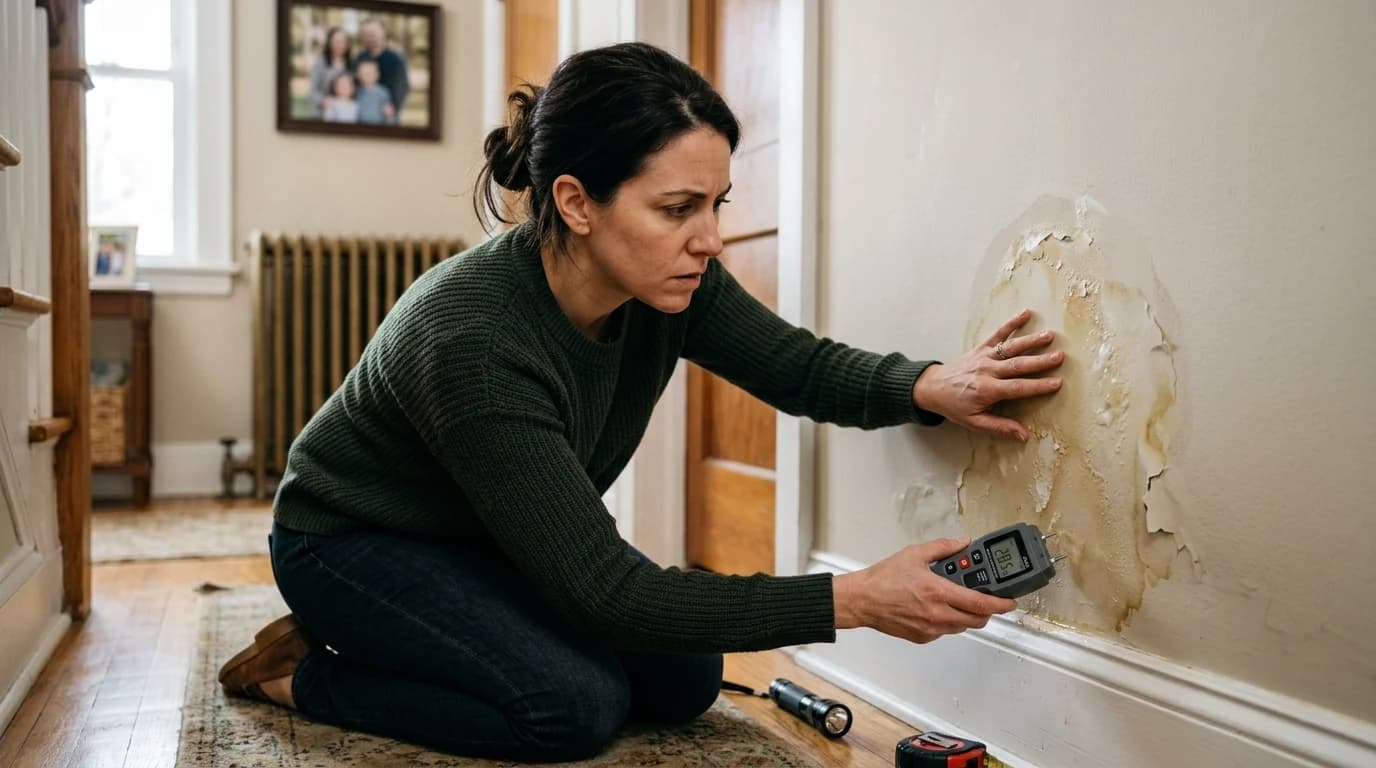
Early detection of water damage is crucial to preventing structural damage and mold growth. Water damage, if not addressed promptly, can compromise the integrity of your home’s structure, leading to wood rot, weakened foundations, and even potential collapse in extreme cases. Mold, which thrives in damp environments, can start growing within 24 to 48 hours after water exposure. It not only damages surfaces but also poses health risks, such as allergies and respiratory issues. Ignoring the signs can lead to more severe issues, ultimately costing more in repairs. Homeowners in NJ, including Fair Lawn, can save money and maintain property value by addressing problems promptly. Regular maintenance and vigilance can prolong the life of your home and ensure a safe living environment.
What are the Common Early Signs of Water Damage?
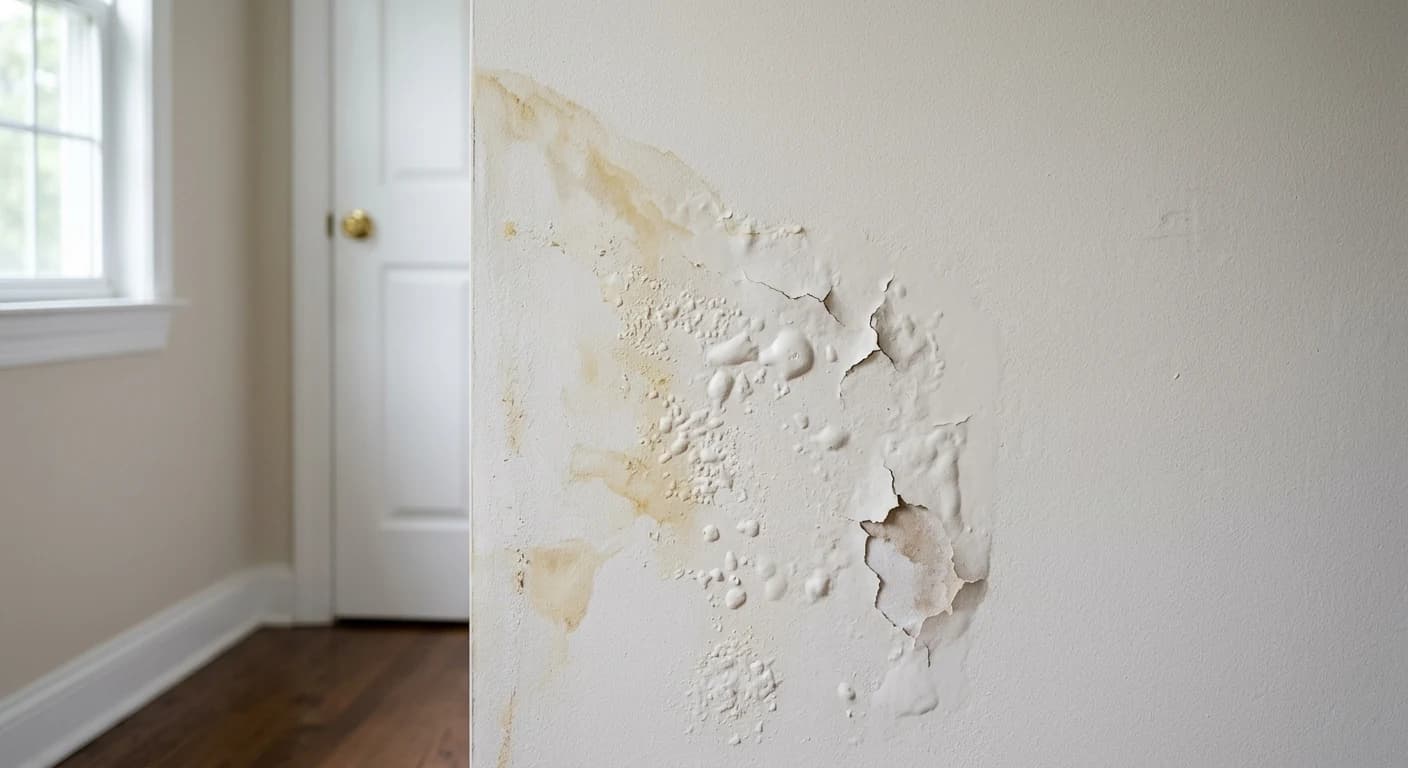
Common early signs include discoloration on walls, ceilings, or floors, a musty odor, and an unexplained increase in water bills. Discoloration often appears as brownish spots or streaks, indicating water seepage. A musty odor, often compared to the smell of wet cardboard, suggests mold or mildew presence. An unexpected spike in water bills could indicate a hidden leak, such as in pipes or behind walls. Regularly inspecting these areas can help you catch problems early. Seeing water stains or bubbling paint are also indicators. Bubbling or peeling paint can occur when drywall absorbs moisture, causing the paint to lose adhesion. It's essential to act fast if any of these signs appear. Ignoring them can lead to more significant damage, such as structural deterioration or extensive mold growth. For professional help, consider visiting our services page to explore how we can assist you in mitigating these issues.
How Can You Prevent Further Damage?
Once early signs are detected, take immediate action by stopping the source of water and drying the affected areas. Start by identifying the source of the leak, which could be a broken pipe, a faulty appliance, or a compromised roof. Turn off the water supply to prevent further leakage. Use dehumidifiers and fans to control humidity levels and facilitate drying. It's crucial to maintain airflow; open windows and doors where possible to increase ventilation. If the situation is beyond your control, consulting a professional service in Fair Lawn is advisable to ensure comprehensive restoration. Professionals can use specialized equipment like industrial-grade dehumidifiers and moisture meters to assess and address the extent of the damage. They can also provide guidance on necessary repairs, such as replacing damaged drywall or repairing roofing. Preventative measures, such as regular inspections of plumbing and roofing, can help avoid future incidents. Additionally, installing water sensors and maintaining proper drainage around the home can further reduce risks.
How to Conduct a Thorough Home Inspection for Water Damage
Conducting a thorough inspection of your home can help you identify potential water damage before it becomes a serious issue. Start by examining the exterior of your home. Check for any cracks in the foundation, as these can allow water to seep into your basement or crawl space. Inspect your roof for missing or damaged shingles, which can lead to leaks. Ensure gutters and downspouts are clear of debris to prevent water accumulation. Inside your home, pay close attention to areas such as the basement, attic, and bathrooms, where water damage is most likely to occur. Look for signs of leaks around windows and doors, and inspect under sinks and around appliances like dishwashers and washing machines. Use a flashlight to check for any damp spots or discoloration on walls and ceilings. It's also helpful to keep an eye on your water meter. If you notice a sudden increase in usage without a clear reason, it might indicate a hidden leak. By conducting these inspections regularly, you can catch potential issues early, saving time and money on repairs. If you suspect water damage but can't find the source, consider hiring a professional to perform a more detailed assessment.
Choosing the Right Professional for Water Damage Restoration
When water damage occurs, choosing the right professional for restoration is crucial to ensure the job is done correctly and efficiently. Start by researching local companies with a strong reputation and positive reviews. Look for professionals who are certified by reputable organizations such as the Institute of Inspection, Cleaning and Restoration Certification (IICRC). Certification ensures they have the necessary training and expertise to handle water damage restoration. It's also important to verify that the company is licensed and insured, protecting you from liabilities during the restoration process. Ask for a detailed estimate that outlines the scope of work, timeline, and costs involved. A reliable company will conduct a thorough assessment and provide a clear plan of action. Inquire about the equipment they use; advanced technology like thermal imaging cameras and industrial-grade dehumidifiers can significantly improve the efficiency and effectiveness of the restoration process. Additionally, ensure they offer emergency services, as water damage can escalate quickly. By selecting a qualified and experienced professional, you can have peace of mind knowing that your home will be restored safely and effectively, minimizing future risks and preserving your property's value.
Understanding Insurance Coverage for Water Damage
Navigating insurance coverage for water damage can be complex, but understanding your policy is crucial in ensuring you receive the necessary support when disaster strikes. Start by reviewing your homeowner's insurance policy to determine what types of water damage are covered. Typically, sudden and accidental damage, such as burst pipes or a leaking roof due to a storm, is covered. However, gradual damage, like that caused by ongoing leaks or poor maintenance, is often excluded. It's essential to document any damage thoroughly with photos and detailed notes, as this information will be vital when filing a claim. Promptly report the damage to your insurance company, as delays can complicate the claims process. Be prepared to provide evidence of regular maintenance, as insurers may require proof that the damage wasn't due to neglect. Consider adding additional coverage, such as flood insurance, if you live in a high-risk area, as standard policies typically don't cover flood-related damage. Consulting with your insurance agent can help clarify coverage specifics and identify any gaps in your policy. By understanding your insurance coverage, you can ensure you're adequately protected and reduce financial stress in the event of water damage.
Implementing a Regular Maintenance Routine
Establishing a regular maintenance routine is key to preventing water damage and ensuring the longevity of your home. Begin by scheduling seasonal inspections of critical areas, such as your roof, gutters, plumbing, and foundation. During these inspections, look for signs of wear and tear, such as cracked shingles, clogged gutters, or leaky pipes, and address any issues promptly. Regularly clean and maintain gutters and downspouts to ensure proper water drainage away from your home. Inside, check for leaks under sinks and around appliances, and replace any worn-out hoses or seals. Consider installing water alarms in high-risk areas, like basements and laundry rooms, to alert you to potential leaks before they cause significant damage. Additionally, monitor your water bill for unexplained increases, which could indicate hidden leaks. Educate your household members on the importance of water conservation and proper appliance use to minimize the risk of accidental overflows. By implementing a consistent maintenance routine, you can catch potential problems early, preventing costly repairs and maintaining the structural integrity of your home in NJ or beyond.