What Are the Health Risks of Untreated Water Damage?
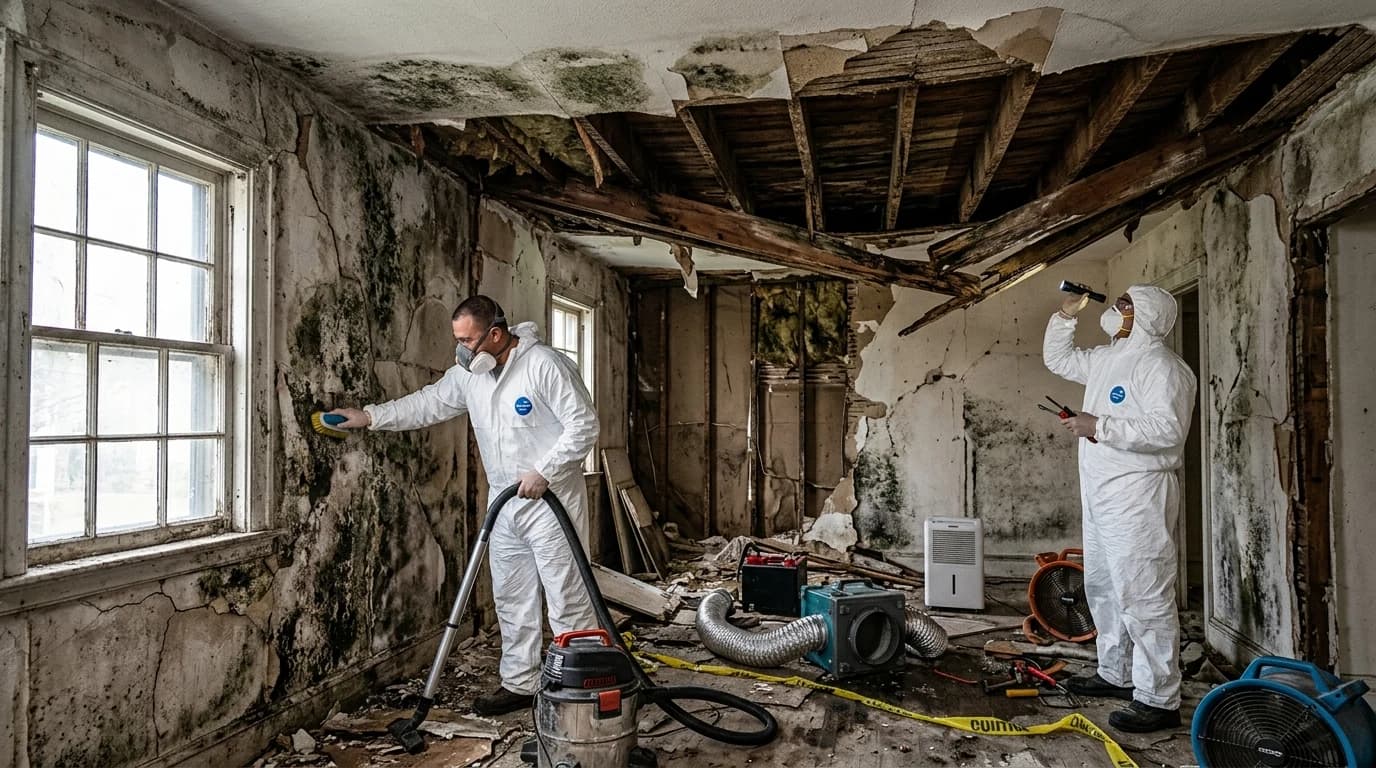
When water damage is left untreated, it creates an environment conducive to mold growth, which can cause respiratory issues and allergies. Mold spores can spread quickly, impacting indoor air quality and posing severe health risks to occupants, especially those with pre-existing conditions or allergies. Mold thrives in damp environments, and if water damage is not addressed, these conditions persist, allowing mold to flourish. Particularly in NJ, where humidity levels can be high, the likelihood of mold growth increases. This can exacerbate asthma symptoms and lead to the development of other respiratory conditions. In severe cases, certain types of mold, such as black mold, can produce mycotoxins that are harmful to human health. Beyond mold, untreated water damage can also lead to the growth of bacteria and other pathogens. Stagnant water is a breeding ground for harmful microorganisms that can cause infections and diseases. Additionally, the presence of water can attract insects such as mosquitoes, which can carry diseases, further compromising the health of the household.
How Does Untreated Water Damage Affect Your Home's Structure?
Water damage can weaken structural components like beams, walls, and floors. Over time, this can lead to structural failures, making the building unsafe. In Fair Lawn, where humidity can be high, the risk of structural damage increases if not addressed promptly. Water can seep into building materials like wood and drywall, causing them to warp, swell, or rot. This deterioration compromises the integrity of the structure, potentially leading to sagging ceilings, buckling floors, and even the collapse of walls. Additionally, water damage can corrode metal components such as pipes and fasteners, which are crucial for maintaining the stability of the home. If left unchecked, these issues can escalate, resulting in costly repairs or, in extreme cases, making the home uninhabitable. It's important to note that water damage can also affect the electrical systems in a home. Water can corrode wires and create short circuits, posing a fire hazard. For more information, check our contact page.
What Steps Can You Take to Mitigate These Risks?
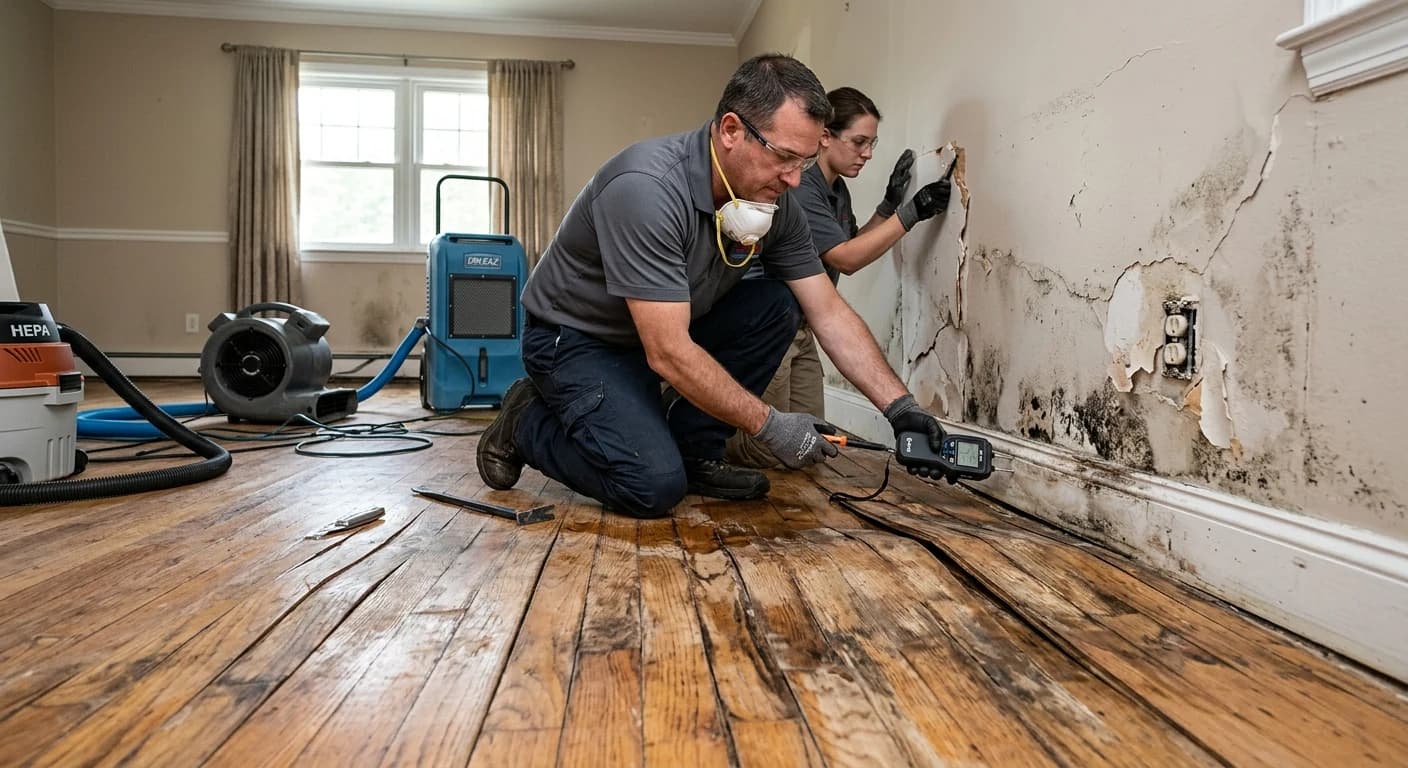
To mitigate these risks, it's essential to dry out wet areas immediately and repair leaks promptly. Regular inspections and maintenance can help spot problems early. Professional restoration services can provide a thorough assessment and ensure the proper remediation process is followed. Start by identifying the source of the water damage, whether it's a leaky roof, a burst pipe, or poor drainage, and address it to prevent further damage. Use dehumidifiers and fans to dry out affected areas quickly. In cases of significant water damage, remove soaked materials such as carpets, insulation, and drywall to prevent mold growth. Regularly inspect your home for signs of water damage, such as discoloration on ceilings or walls, a musty odor, or peeling paint. Maintaining your home's drainage system is also crucial; ensure gutters are clean and downspouts direct water away from the foundation. For those living in Fair Lawn and similar areas, it's wise to invest in a sump pump to manage basement flooding. Hiring a professional restoration company can provide peace of mind, as they have the expertise and equipment to handle water damage effectively. They can conduct moisture readings, apply antimicrobial treatments, and ensure your home is restored to its pre-damage condition.
Financial Implications of Ignoring Water Damage
Ignoring water damage can lead to significant financial burdens over time. Initially, it might seem cost-effective to delay repairs, but untreated water damage often results in more extensive and expensive issues. Small leaks can evolve into major structural problems, requiring extensive repairs or even complete renovations. For homeowners, this means increased costs in materials and labor. Additionally, water damage can decrease the value of your property. Potential buyers are likely to be deterred by signs of water damage or mold, viewing them as red flags that indicate poor maintenance or hidden issues. This can result in lower offers or extended time on the market. Furthermore, if water damage leads to mold growth, remediation costs can be substantial, as mold removal requires specialized equipment and expertise. Insurance policies may not cover damages that result from neglect, leaving homeowners to shoulder the full cost of repairs. In Fair Lawn, where homes may be susceptible to water damage due to weather conditions, it's crucial to address these issues promptly to avoid financial strain. Taking immediate action not only preserves the integrity of your home but also protects your investment in the long run.
Environmental Impact of Unchecked Water Damage
Unchecked water damage can have several environmental repercussions. When water damage is not addressed, materials such as wood, drywall, and insulation become saturated and often need to be replaced. This generates significant waste, as these materials are typically not recyclable and end up in landfills. The decomposition of these materials in landfills can release methane, a potent greenhouse gas, contributing to climate change. Moreover, untreated water damage can lead to mold growth, which may necessitate the use of harsh chemicals for remediation. These chemicals, if not used correctly, can have adverse effects on the surrounding environment, contaminating soil and water sources. In addition, the increased energy usage from dehumidifiers and fans needed to dry out water-damaged areas can contribute to a larger carbon footprint. In regions like NJ, where environmental conservation is a priority, it's important to manage water damage responsibly to minimize ecological impact. Homeowners can take proactive steps by using eco-friendly materials and sustainable practices during repairs, ensuring that their approach to water damage restoration is both effective and environmentally conscious.
The Importance of Timely Professional Intervention
Engaging professional restoration services promptly after water damage occurs is crucial to mitigating long-term consequences. Professionals have the expertise and equipment necessary to assess the extent of the damage accurately and implement effective remediation strategies. They utilize advanced tools such as moisture meters and infrared cameras to detect hidden moisture that might not be visible to the naked eye. This is particularly important because undetected moisture can lead to mold growth and structural deterioration over time. Restoration experts also employ industrial-grade dehumidifiers and air movers to ensure that all affected areas are thoroughly dried, preventing further damage. Additionally, they can perform necessary repairs to prevent future incidents, such as fixing leaking pipes or improving drainage systems. For homeowners in Fair Lawn, NJ, where weather conditions can exacerbate water damage, having a reliable professional service on standby can be invaluable. By acting quickly and enlisting professional help, homeowners can minimize damage, reduce restoration costs, and protect their property's value. Moreover, professionals can provide documentation of the damage and the remediation process, which can be essential for insurance claims. This comprehensive approach ensures that all aspects of water damage are addressed, safeguarding both the home and its occupants.
Preventative Measures to Protect Your Home
Preventing water damage is a proactive approach that can save homeowners significant time and money in the long run. One of the most effective preventative measures is regular maintenance of the home's plumbing system. This includes checking for leaks in pipes, ensuring that faucets and fixtures are functioning properly, and inspecting water heaters for signs of wear or corrosion. Additionally, maintaining the roof and gutters is essential; ensuring that shingles are intact and gutters are free of debris can prevent water from seeping into the home. Installing a sump pump in the basement can also be a wise investment, especially in areas prone to heavy rainfall or flooding. This device can automatically remove excess water, reducing the risk of water damage. Homeowners should also consider installing water leak detectors, which can alert them to leaks early on, allowing for quick intervention. Landscaping can play a role too; ensuring that the ground slopes away from the foundation can prevent water from pooling around the home. In Fair Lawn, NJ, where weather patterns can be unpredictable, these preventative strategies are particularly beneficial. By taking these steps, homeowners can significantly reduce the risk of water damage, ensuring the longevity and safety of their property.